
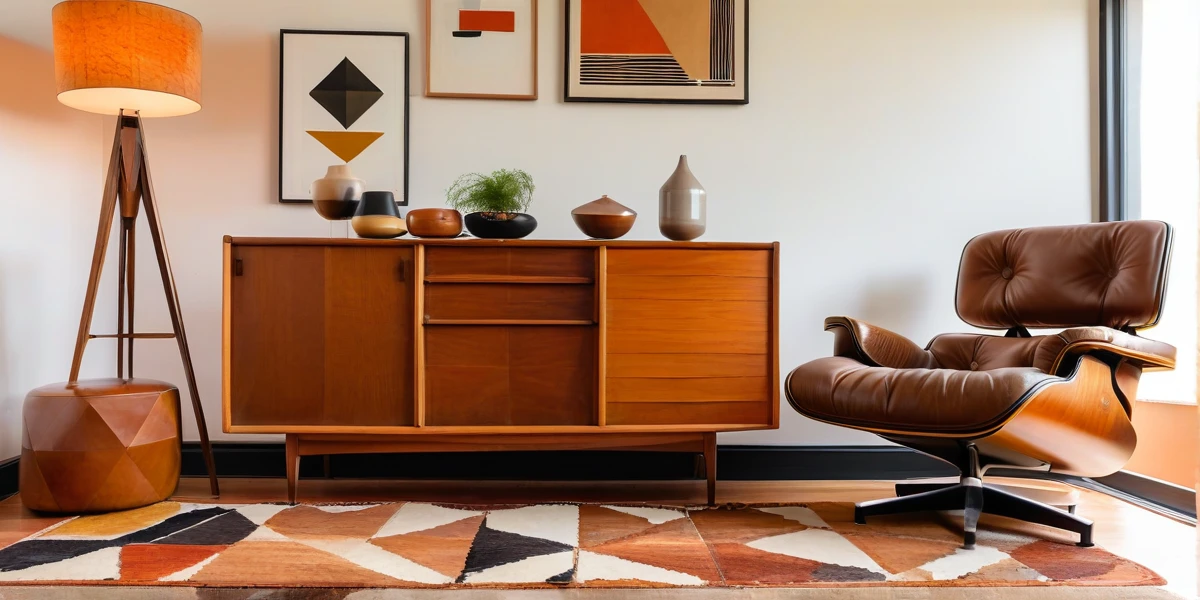
Mid-Century -Inspired Design: Creating a Space Centered on a Key Furniture Item
There is a moment in every home that defines it: the piece of furniture that stops you at the doorway, the one that makes you want to sit down and stay a while. That is the power of an anchor piece. Instead of filling a room with matching sets or generic flat-pack items, the anchor-piece philosophy asks you to invest in one showstopper and let it set the tone for everything else. It is a strategy that saves money, reduces decision fatigue, and creates a space that feels curated rather than assembled.
In the world of contemporary interiors, few styles offer the warmth and versatility of mid-century modern. But here is the secret: you do not need a house full of mid-century furniture to capture the aesthetic. One iconic piece—say, an Eames-style lounge chair or a Noguchi-style coffee table—can ground a room, allowing the surrounding decor to be simpler, more affordable, and more personal. This is particularly valuable for European homes, where space is often precious and every piece must earn its place.

Eames-Style Lounge Chair and Ottoman – Black Leather, Palisander Rosewood
Experience timeless comfort with our Eames-style Lounge Chair and Ottoman in premium black leather and Palisander Rosewood. Mid-century…
€859.77 €921.27

Eames-Style Lounge Chair & Ottoman – White Leather & ASH Plywood
Eames-style lounge chair and ottoman set in pristine white leather over ASH plywood. Premium quality, fast EU delivery, VAT included —…
€859.77 €921.27

Noguchi-Style Coffee Table – Black Wood Base
Noguchi-style coffee table with black wood base and triangular glass top. Brilliant design, premium quality, fast EU delivery, VAT included…
€712.17 €736.77
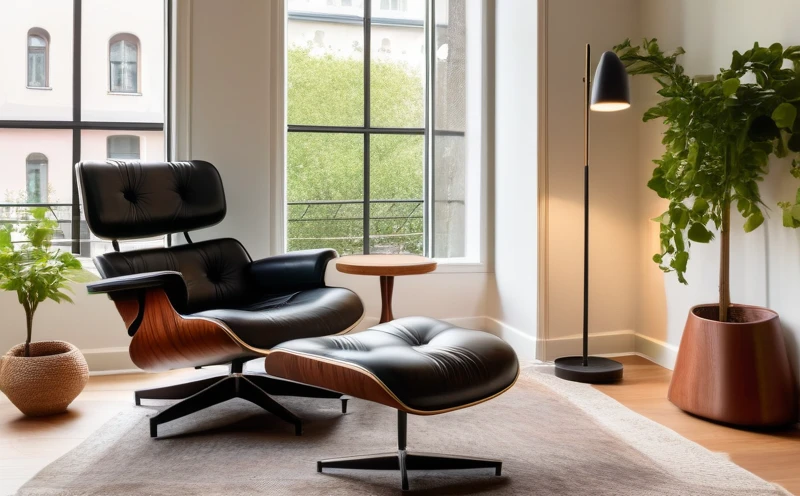
Why One Hero Piece Works Better Than a Room Full of Copycats
The temptation when embracing a style is to go all-in. Mid-century modern can quickly become a cliché if every surface, every wall, and every accessory screams 1950s. The anchor-piece approach avoids this pitfall. By choosing a single, high-impact piece—like a black leather lounge chair or a sculptural Noguchi coffee table—you introduce the essence of the era without turning your home into a museum. The rest of the room becomes a supporting cast: neutral sofas, simple shelving, a few carefully chosen accessories that echo the colours and textures of your hero piece.
This approach also makes financial sense. Quality mid-century-style furniture is an investment, but you only need one or two major pieces. The rest can be sourced affordably from high-street retailers, vintage markets, or even existing furniture you already own. The result is a room that feels intentional and personal, not like a showroom.
Colour Palettes That Let Walnut and Black Leather Shine
The classic mid-century combination of walnut wood and black leather is timeless, but it needs the right backdrop to truly sing. For walls, think warm off-whites, pale greys, or soft beige—these tones allow the richness of the wood to take centre stage without competing. If you want to add depth, consider a feature wall in a muted mustard, olive green, or terracotta; these earthy hues were mid-century favourites and pair beautifully with walnut.
For flooring, light wood or pale stone works well, especially in smaller European flats where darker floors can close in the space. Rugs are your best friend here: a thick wool or jute rug in a subtle pattern or neutral tone anchors the seating area and adds texture. When it comes to accessories, stick to a restrained palette—think brass, copper, or matte black for metals, and introduce colour through cushions, throws, or art. A statement floor lamp in black or white can also serve as a secondary focal point without overwhelming the room.
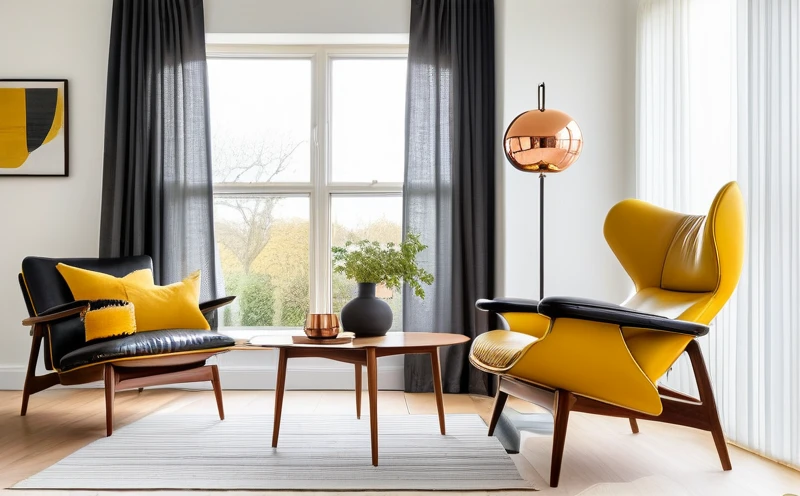
MCM and Contemporary Architecture: A Natural Pairing
One of the reasons mid-century modern has endured is its ability to adapt. In contemporary European apartments—with their clean lines, open-plan layouts, and large windows—mid-century furniture feels completely at home. The organic shapes of a lounge chair or the sculptural silhouette of an LC4-style chaise longue contrast beautifully with sharp architectural angles, adding warmth and softness to otherwise minimal spaces.
This is especially true in new-builds, where the lack of period detail can make a room feel sterile. A single mid-century piece introduces history and character, bridging the gap between past and present. It says something about the inhabitant: that they value craft, heritage, and enduring design over fleeting trends.
UK and Ireland Focus: Cosy MCM Styling for Cloudy Days
For homes in the UK and Ireland, where grey skies are a regular companion, mid-century modern offers a particular comfort. The secret is layering: start with your anchor piece—perhaps a brown leather lounge chair—and build warmth around it. A deep-pile rug underfoot, heavy wool curtains, and soft, warm lighting transform a room from stylish to snug. Mid-century lighting—like a Sputnik chandelier or a classic floor lamp with a brass stem—adds both illumination and sculptural interest.
Texture is your ally. Mix smooth leather with nubby wool, polished wood with raw linen. Cushions and throws in rich autumnal tones—burnt orange, forest green, mustard—keep the palette grounded and seasonal. And do not forget the humble houseplant: a tall fiddle-leaf fig or a trailing monstera softens edges and brings a touch of nature indoors, a nod to the mid-century love of bringing the outside in.
Polish Perspective: From Flat-Pack to Timeless Sophistication
For many Polish homeowners, the journey into mid-century modern begins with a desire to move beyond the generic. The flats of the post-communist era were often furnished with practical, mass-produced items that served a function but lacked soul. Today, there is a growing appetite for furniture that tells a story, that feels personal and considered. Mid-century modern—with its emphasis on craftsmanship and timeless forms—offers a natural upgrade.
A single Eames-style lounge chair or LC2-style sofa can transform a standard Polish living room into a space that feels grown-up and intentional. The aesthetic is sophisticated without being fussy, elegant without being ostentatious. It says you care about quality, about design, about how a room makes you feel. And with fast, customs-free delivery from Modborn's EU warehouses, that transformation is easier than ever.
Mixing Eras and Styles for a Truly Personal Home
The anchor-piece philosophy is not about purism. In fact, the most compelling interiors are often those that blend eras, materials, and styles. A mid-century chair can sit happily alongside a contemporary glass table, a rustic wooden bench, or even a Victorian fireplace. The key is coherence: let your anchor piece dictate the room's overall mood, then allow other elements to complement rather than compete.
For example, pair a classic Barcelona-style chair with a sleek, modern sofa. Place a George Nelson-style wall clock above a minimalist sideboard. The juxtaposition creates visual interest and prevents the room from feeling overly themed. This eclectic approach is particularly suited to European urban living, where apartments often have a mix of original features and contemporary additions.
Practical Tips for Styling Around Your Hero Piece
- Start with the anchor: Place your hero piece first—usually a chair, sofa, or table. Arrange everything else around it.
- Balance proportions: If your anchor is large (like a three-seater sofa), keep surrounding furniture lower or smaller to avoid visual clutter.
- Layer lighting: Use floor lamps, table lamps, and wall lights to create depth and highlight your anchor piece.
- Edit ruthlessly: A room with fewer, better things always feels more serene than one crammed with objects.
- Add personal touches: Books, art, and travel souvenirs make the space yours—they needn't match the mid-century theme.
Ultimately, the anchor-piece approach is about confidence. It trusts that one great piece can define an entire room, and that the rest of the space will follow naturally. It is a philosophy that values quality over quantity, personality over perfection, and comfort over convention. And in a world that often pushes us to buy more, it reminds us that less—when chosen well—is always more.
Eames-Style Lounge Chair and Ottoman – Black Leather, Palisander Rosewood
Experience timeless comfort with our Eames-style Lounge Chair and Ottoman in premium black leather and Palisander Rosewood. Mid-century…
€859.77 €921.27
Eames-Style Lounge Chair & Ottoman – White Leather & ASH Plywood
Eames-style lounge chair and ottoman set in pristine white leather over ASH plywood. Premium quality, fast EU delivery, VAT included —…
€859.77 €921.27
Noguchi-Style Coffee Table – Black Wood Base
Noguchi-style coffee table with black wood base and triangular glass top. Brilliant design, premium quality, fast EU delivery, VAT included…
€712.17 €736.77


Leave your comment
Note: HTML is not translated!