
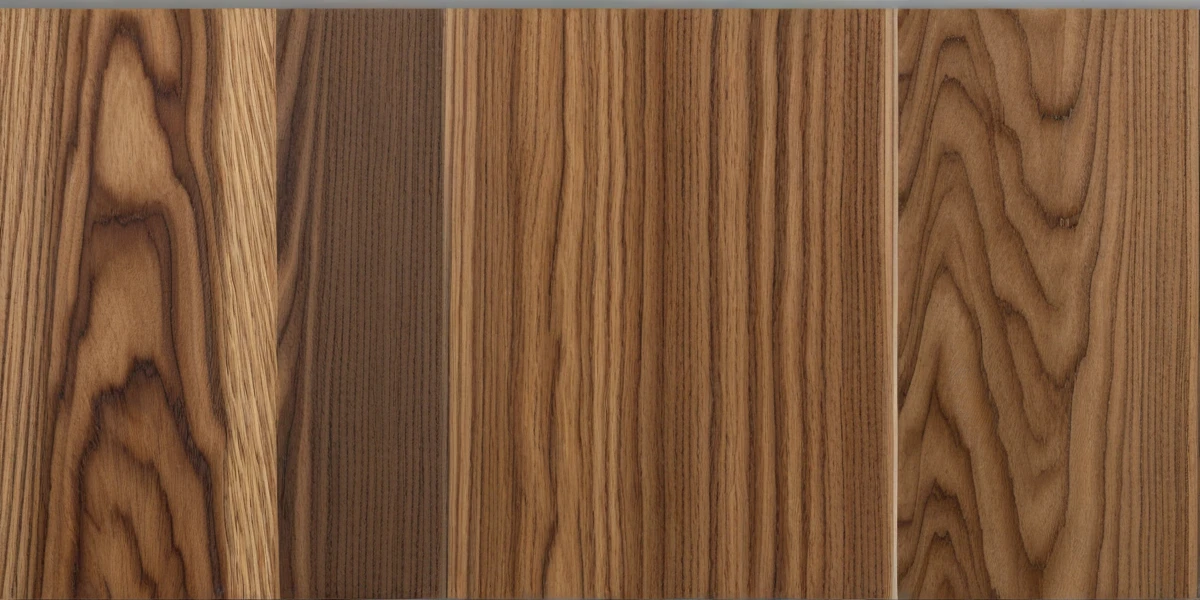
Real Walnut Veneer vs. Solid Wood: Dispelling Common Furniture Myths
For generations, British and Irish furniture buyers have been conditioned to equate quality with weight. The phrase "solid oak" carries an almost mythical status, suggesting permanence, honesty, and value. Walk into any traditional showroom, and you'll hear the thud of a knuckle rapping against a tabletop as proof of authenticity. But this fixation on solid wood overlooks a crucial chapter in design history—one where the world's most iconic modernist furniture was deliberately crafted from veneer, not because it was cheaper, but because it was better for the design at hand.
At Modborn, we believe that understanding materials is the foundation of smart furniture buying. With 16 years of serving customers across Europe from our Irish and Spanish hubs, we've seen firsthand how myths about wood veneer can lead buyers away from superior craftsmanship. Today, we're dispelling the most common misconceptions about walnut veneer and solid wood—and revealing why mid-century designers from Charles and Ray Eames to Eero Saarinen consistently chose veneer for their most celebrated works.
The Design Revolution: Why Veneer Won
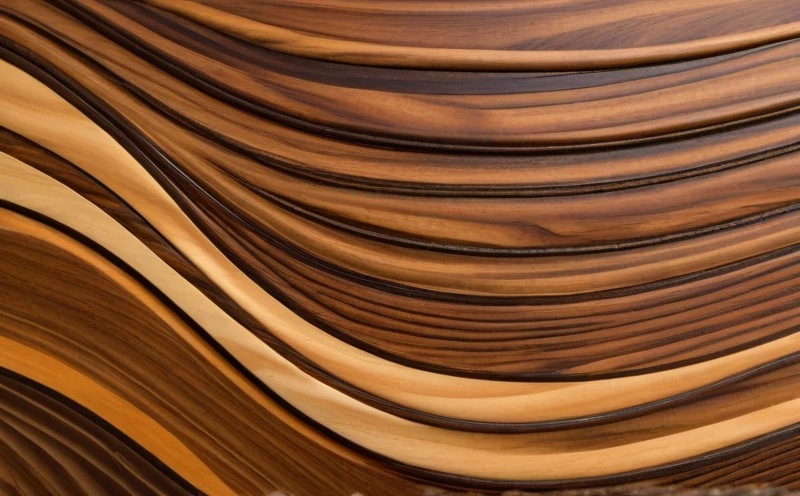
To understand why veneer is the superior choice for modernist furniture, you need to look at the design challenge that mid-century innovators faced. The sculptural curves of an Eames-style lounge chair or the organic shell of a womb chair simply cannot be achieved with solid wood. You can't steam-bend a two-inch-thick plank of walnut into a compound curve without it splitting or losing structural integrity.
This is where wood veneer—thin slices of premium wood peeled or sliced from a log—becomes a design superpower. By bonding these slices to a stable substrate using high-pressure lamination, designers could create shapes that were previously impossible. The veneer preserved the natural beauty of the wood grain while allowing for radical, ergonomic forms that defined an era.
The great mid-century designers didn't use veneer to cut corners—they used it to unlock corners that solid wood could never bend around.
Dispelling the 'Veneer Equals Cheap' Myth
Let's address the elephant in the room: the lingering association between veneer and cheap furniture. This reputation stems from the mass-market furniture of the 1970s and 1980s, where paper-thin "wood-effect" laminates were applied to particleboard. But this is as similar to high-grade wood veneer as a flat-pack bookshelf is to a handcrafted cabinet.
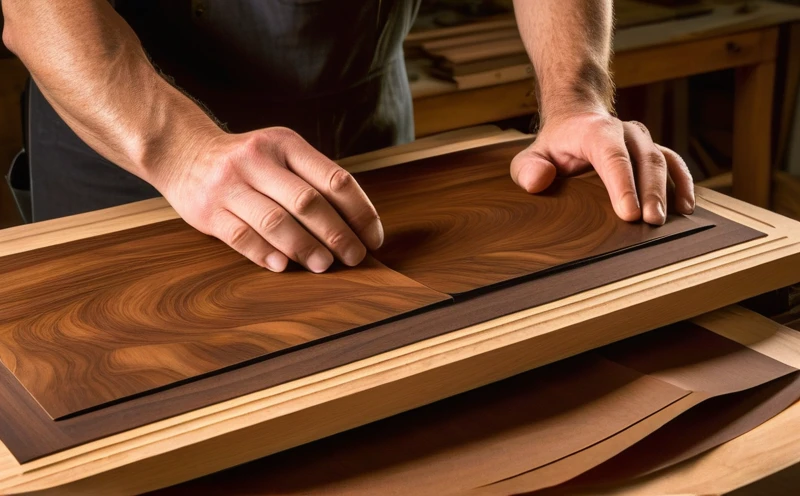
Premium wood veneer—like the American black walnut veneer used in many Modborn pieces—is cut from the same trees that produce solid lumber. A single log can yield hundreds of square metres of veneer, each slice carefully matched to create mirror-image patterns or continuous flowing grain across a surface. This level of artistry is not cheap; it's a skill that requires generations of expertise to execute well.
The Environmental Case for Walnut Veneer
At Modborn, we're committed to sustainable practices that respect both the planet and the craftsmanship we offer. Walnut veneer is inherently more sustainable than solid wood, and here's why: a single mature walnut tree can produce enough veneer to cover approximately 200 square metres of furniture surface, but would yield only 30–40 square metres of solid lumber. By using veneer, we can create beautiful furniture from the same tree without requiring multiple trees to be felled.
This efficiency doesn't just reduce deforestation—it also preserves the most striking part of the tree: the heartwood grain. Walnut heartwood is prized for its rich chocolate-brown colour and complex, swirling grain patterns. When you choose walnut veneer furniture from Modborn, you're not getting a cheaper version of solid wood; you're getting an elevated version that showcases the tree's natural beauty more completely and more artfully than solid planks ever could.
Stability and Durability: Veneer's Hidden Advantage
If you've ever owned solid wood furniture in an old Irish cottage or a draughty Victorian flat, you'll know the frustration of warped doors, cracked tabletops, and drawer fronts that no longer close properly. Wood is a natural material that expands and contracts with changes in humidity—a problem that's particularly acute in the UK and Ireland, where damp winters and central-heated summers create constant moisture fluctuations.
Solid wood behaves like a sponge: it absorbs moisture and swells, then releases it and shrinks. Over time, these repeated cycles cause cracking, splitting, and warping. Veneer, however, is bonded to a plywood or MDF core with the grain direction alternating at each layer. This cross-grain construction creates a dimensionally stable panel that resists expansion and contraction. The result? Furniture that stays true to its form for decades, without the maintenance headaches of solid wood.
Mid-century designers understood that veneer construction was not a compromise—it was a technical advancement that made their radical new forms possible.
Modborn's 7-Ply Construction: Quality You Can Trust
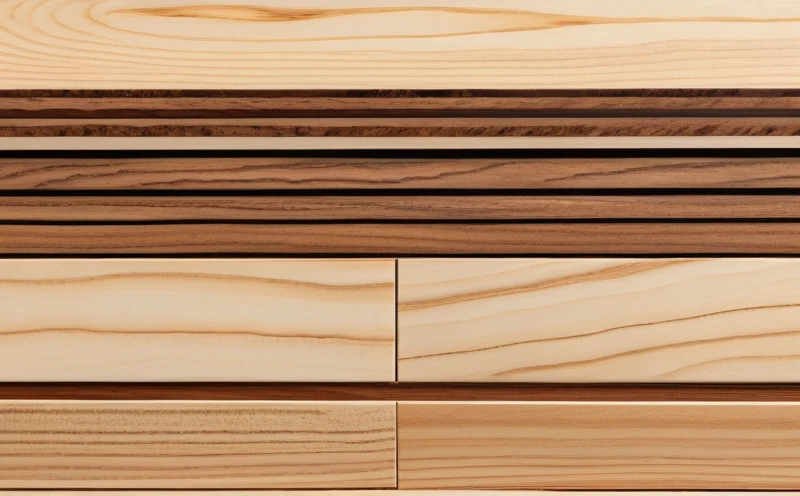
Not all veneer furniture is created equal. The difference between a piece that lasts decades and one that falls apart in a few years comes down to the substrate—the internal layers that give the furniture its strength. At Modborn, we use a 7-ply construction technique that ensures our pieces are built to last.
Our seven-layer plywood core consists of alternating veneer layers, each with its grain direction rotated 90 degrees from the previous layer. This cross-lamination technique distributes stress evenly and prevents warping, even in Europe's varied climates. The top layer is a beautiful American black walnut veneer, carefully selected for consistent colour and figure, with a durable clear lacquer finish that protects the wood without hiding its natural character.
This is the same construction philosophy that defined the original mid-century classics. When you invest in a Modborn piece like the Eames-style lounge chair with walnut veneer, you're getting furniture that's engineered for stability, designed for beauty, and built to outlast passing trends.
Practical Advice: Choosing the Right Wood for Your Home
Does this mean you should never buy solid wood furniture? Absolutely not. Solid wood has its place, particularly in traditional furniture styles where thickness and heft are part of the aesthetic, such as farmhouse tables or rustic shelving. But for contemporary, mid-century, and modernist designs, veneer is not only appropriate—it's often superior.
Here's a simple rule of thumb:
- Choose solid wood for traditional, chunky pieces where thick edges are part of the design, like Shaker-style tables or large dining benches.
- Choose high-quality veneer for curved, sculptural, or refined pieces like lounge chairs, coffee tables, and sideboards—especially if you value stability and resistance to humidity changes.
When evaluating veneer furniture, look for:
- Consistent grain matching: Premium veneer pieces use book-matching or slip-matching to create seamless surface patterns.
- A thick top veneer: Cheap veneer is often paper-thin and prone to sanding through during refinishing. Quality veneer is at least 0.6mm thick, allowing for future light sanding and refinishing.
- A stable substrate: The internal layers should be high-quality plywood, not chipboard or particleboard.
European Quality, European Delivery
At Modborn, we're proud to be a European furniture company with a 16-year history of serving discerning customers across the continent. Our logistics hubs in Ireland and Spain mean that when you order a walnut veneer piece from us, it ships from within the EU—no customs delays, no hidden fees, and fast, reliable delivery to your door.
Whether you're furnishing a London flat, a Dublin apartment, or a villa in the south of France, our white glove delivery service ensures your investment arrives safely and is placed exactly where you want it.

Eames-Style Lounge Chair & Ottoman – Black Leather, Walnut Wood
Eames-style lounge chair and ottoman set in black leather and walnut wood. Premium quality, fast EU delivery, VAT included — affordable…
€835.17 €859.77

Eames-Style Lounge Chair & Ottoman – White Leather, Walnut Wood
Eames-style lounge chair and ottoman set in white leather and walnut wood. Premium quality, fast EU delivery, VAT included — affordable…
€835.17 €859.77

Eames-Style Lounge Chair & Ottoman – Tan Brown Leather, Walnut Wood
Eames-style lounge chair and ottoman set in tan brown leather and walnut wood. Premium quality, fast EU delivery, VAT included — affordable…
€982.77 €1,007.37
Final Thoughts: A Material Philosophy for Modern Living
The choice between veneer and solid wood shouldn't be driven by outdated myths or a misplaced belief that weight equals worth. Instead, let the design itself guide your decision. If you're drawn to the clean lines, organic curves, and refined elegance of modernist furniture, then walnut veneer isn't just a cost-effective alternative—it's the correct material choice. It's what the designers themselves chose, and it's what delivers the beauty, stability, and longevity that contemporary European interiors demand.
At Modborn, we invite you to see veneer for what it truly is: not a compromise, but a craft. A way to honour the natural beauty of walnut while achieving forms that solid wood could never take. Explore our collection of walnut veneer pieces, and experience the difference that genuine mid-century construction makes.
When you choose a Modborn piece, you're not just buying furniture—you're investing in a design philosophy that has stood the test of time. And with our EU-based warehousing and commitment to premium materials, you can trust that your piece will be delivered with care, ready to become a cherished part of your home for years to come.
Eames-Style Lounge Chair & Ottoman – Black Leather, Walnut Wood
Eames-style lounge chair and ottoman set in black leather and walnut wood. Premium quality, fast EU delivery, VAT included — affordable…
€835.17 €859.77
Eames-Style Lounge Chair & Ottoman – White Leather, Walnut Wood
Eames-style lounge chair and ottoman set in white leather and walnut wood. Premium quality, fast EU delivery, VAT included — affordable…
€835.17 €859.77
Eames-Style Lounge Chair & Ottoman – Tan Brown Leather, Walnut Wood
Eames-style lounge chair and ottoman set in tan brown leather and walnut wood. Premium quality, fast EU delivery, VAT included — affordable…
€982.77 €1,007.37

Leave your comment
Note: HTML is not translated!